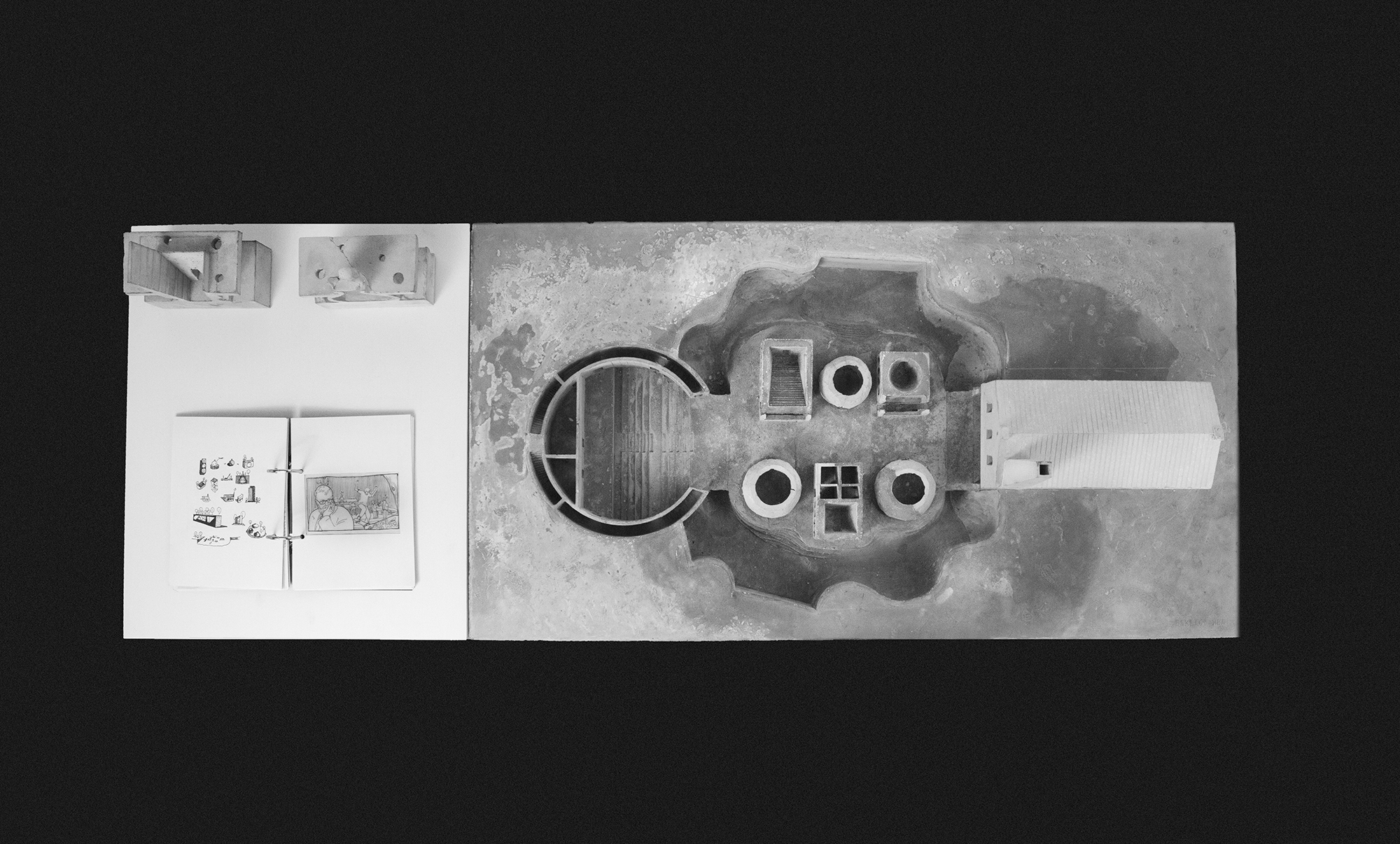
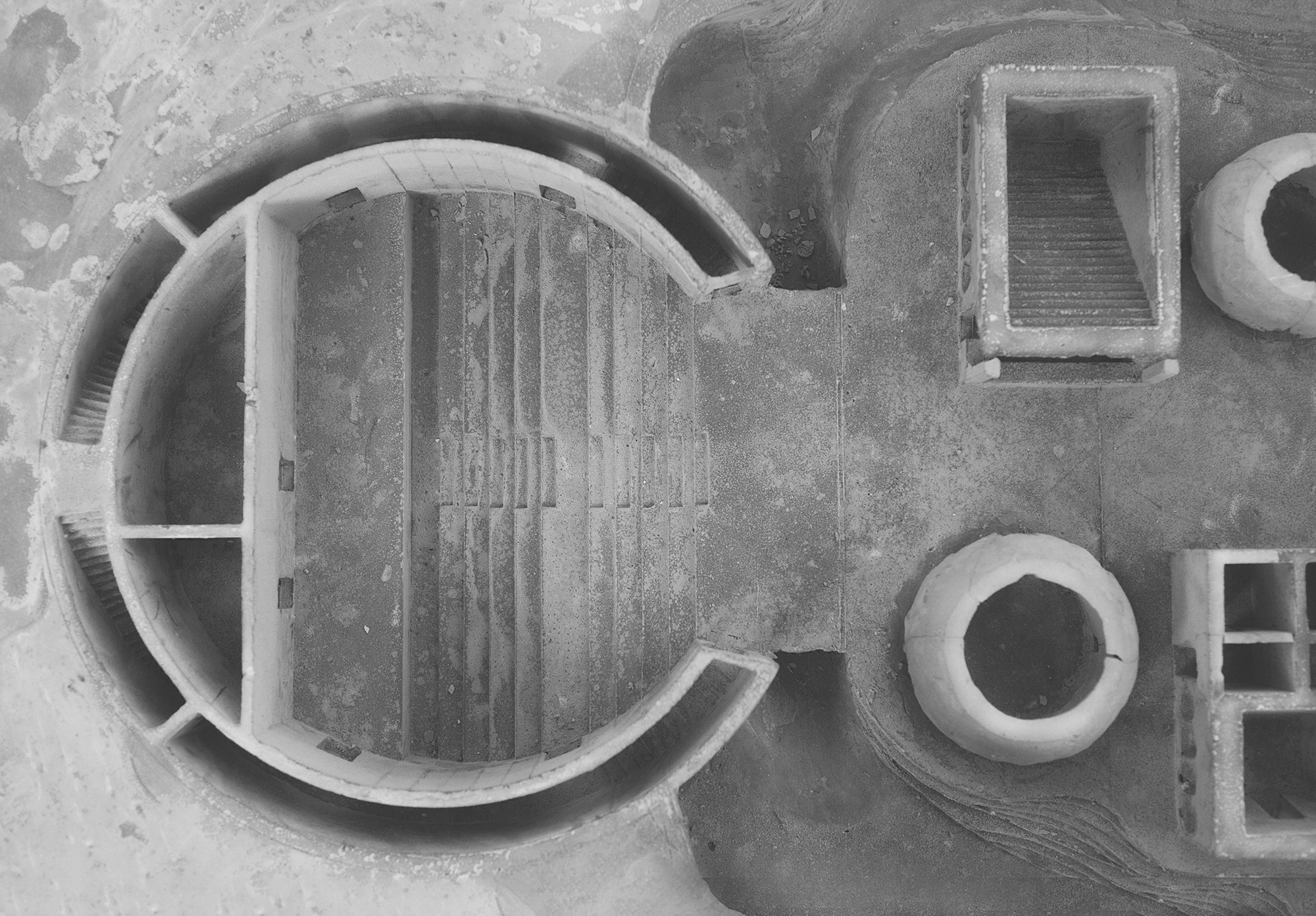
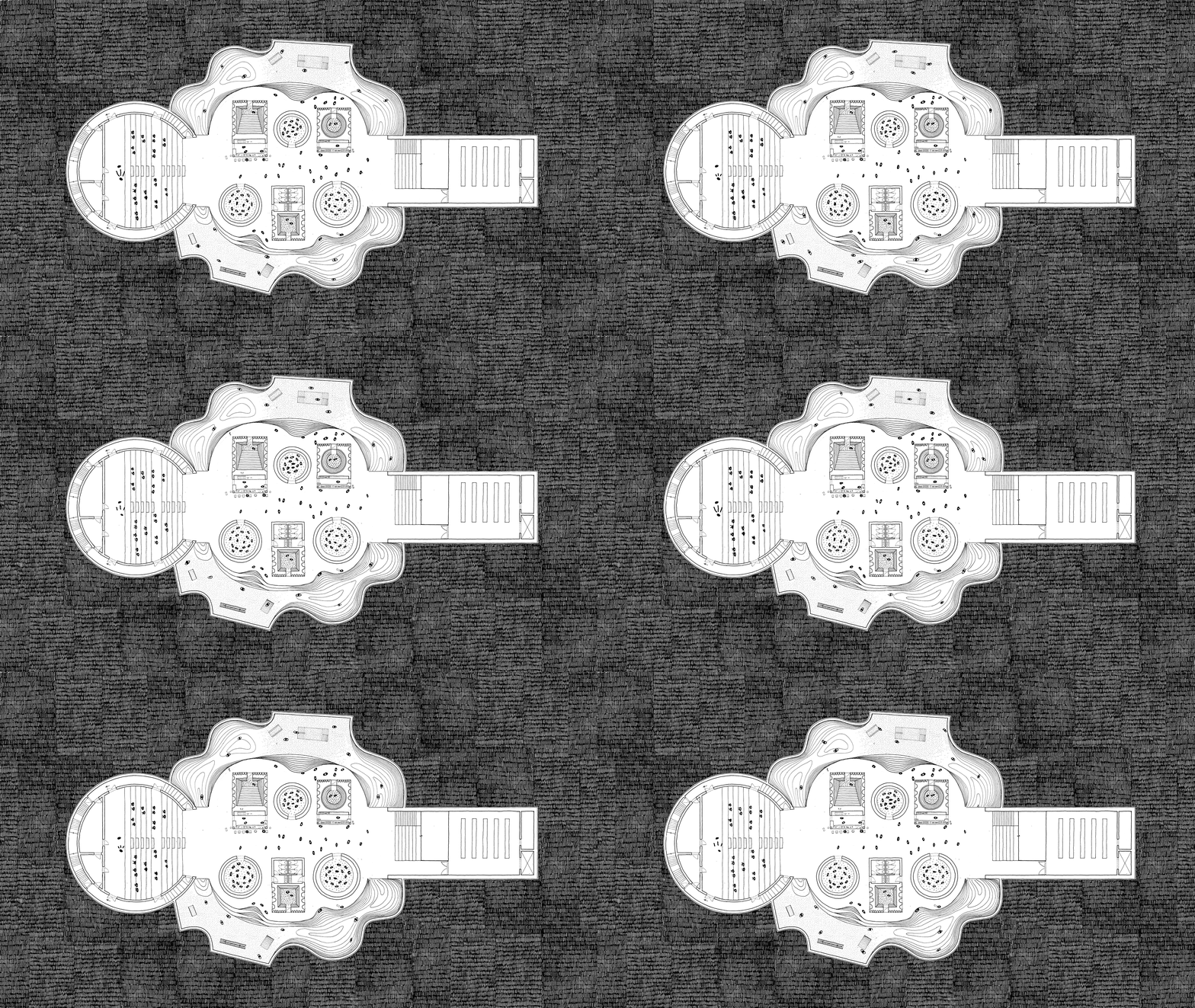

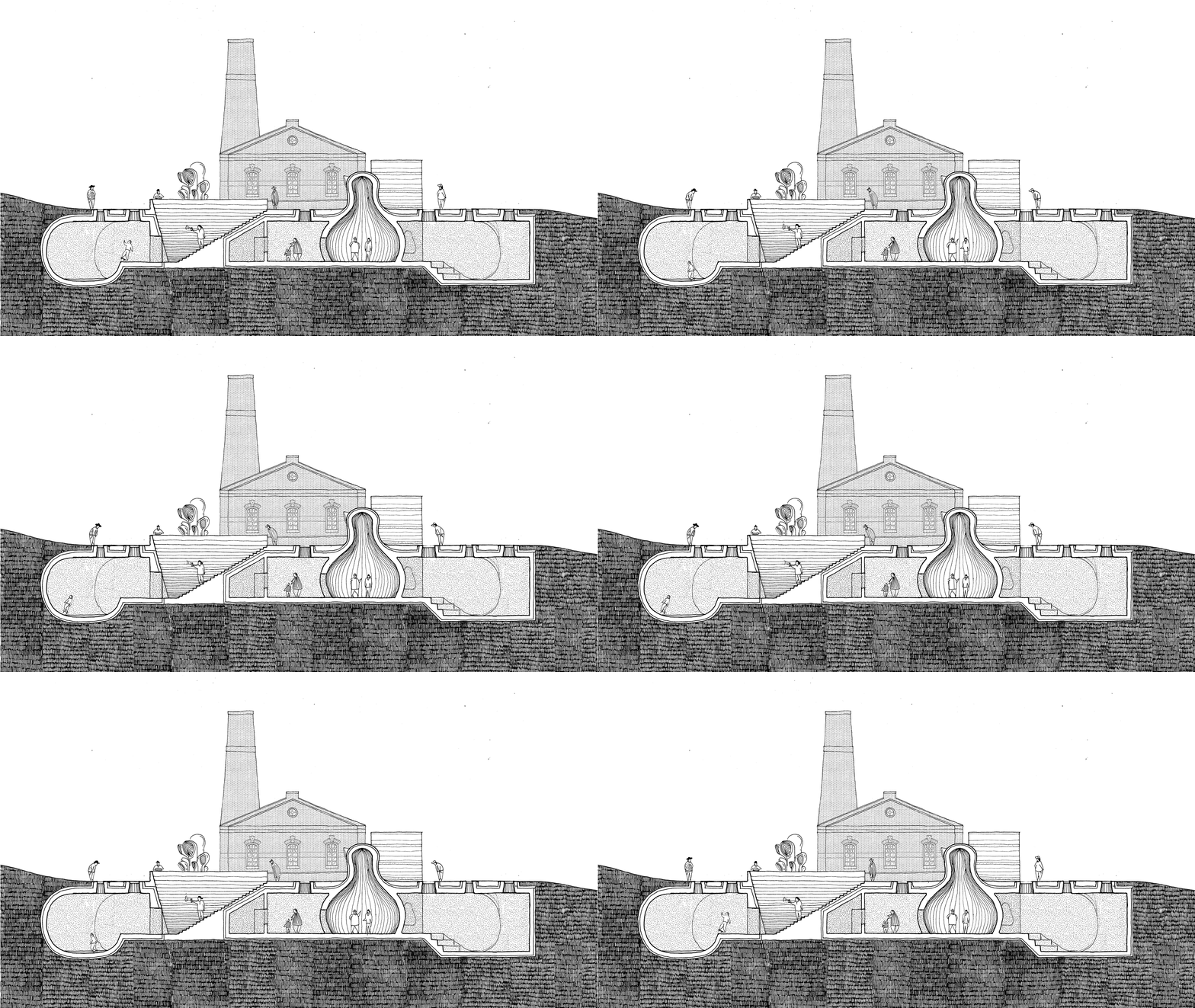
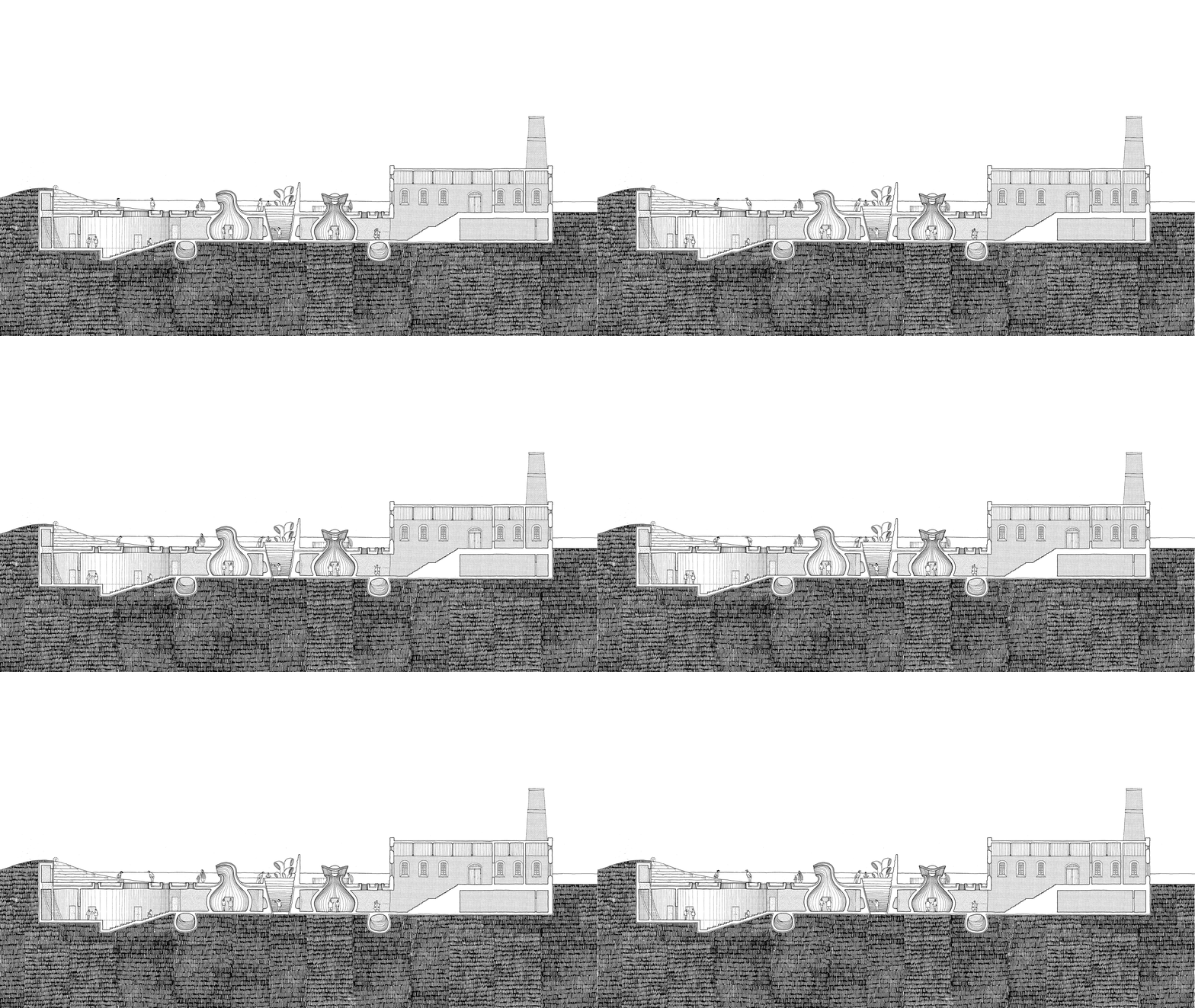


STREET MOVEMENT CENTERIvan BeketovBeginning form the victory of the October Revolution of 1917 in USSR all conditions for wide development of clubs as a mass cultural and educational institutions were created. New forms of institutions appeared: reading rooms, red yurts, red yaragans, etc. During the soviet era club, as peculiar replacement of social institute as church, became some kind of temple of enlightenment and state propaganda. Is it possible to consider under the notion of club (of street movement) not only place for gathering of its representatives for communication and leisure, but also an ideological educational center? |


| With the collapse of the USSR, the activity of komsomol ceased. Formed social niche was actively filled by newly formed street movements. The lack of specially equipped areas for their activity led to a conflict in society, which had secured for street movements the stigma of the criminalized society. |

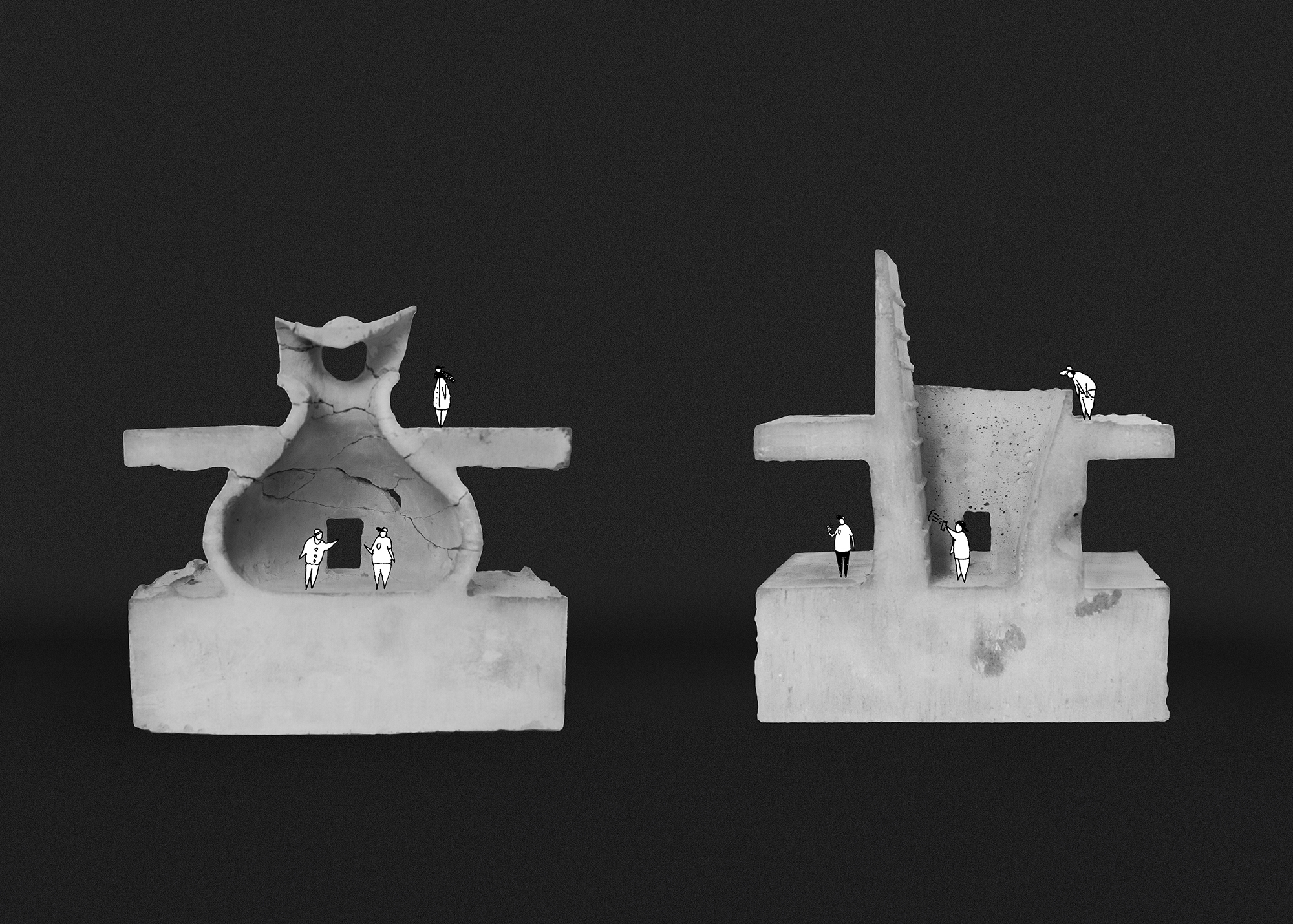
| The main task is socialization of street movements. Solution: creating a space where people could glance and observe activity of street movements in a conflict-free environment, feel sympathy, get used to it, and maybe become members. |

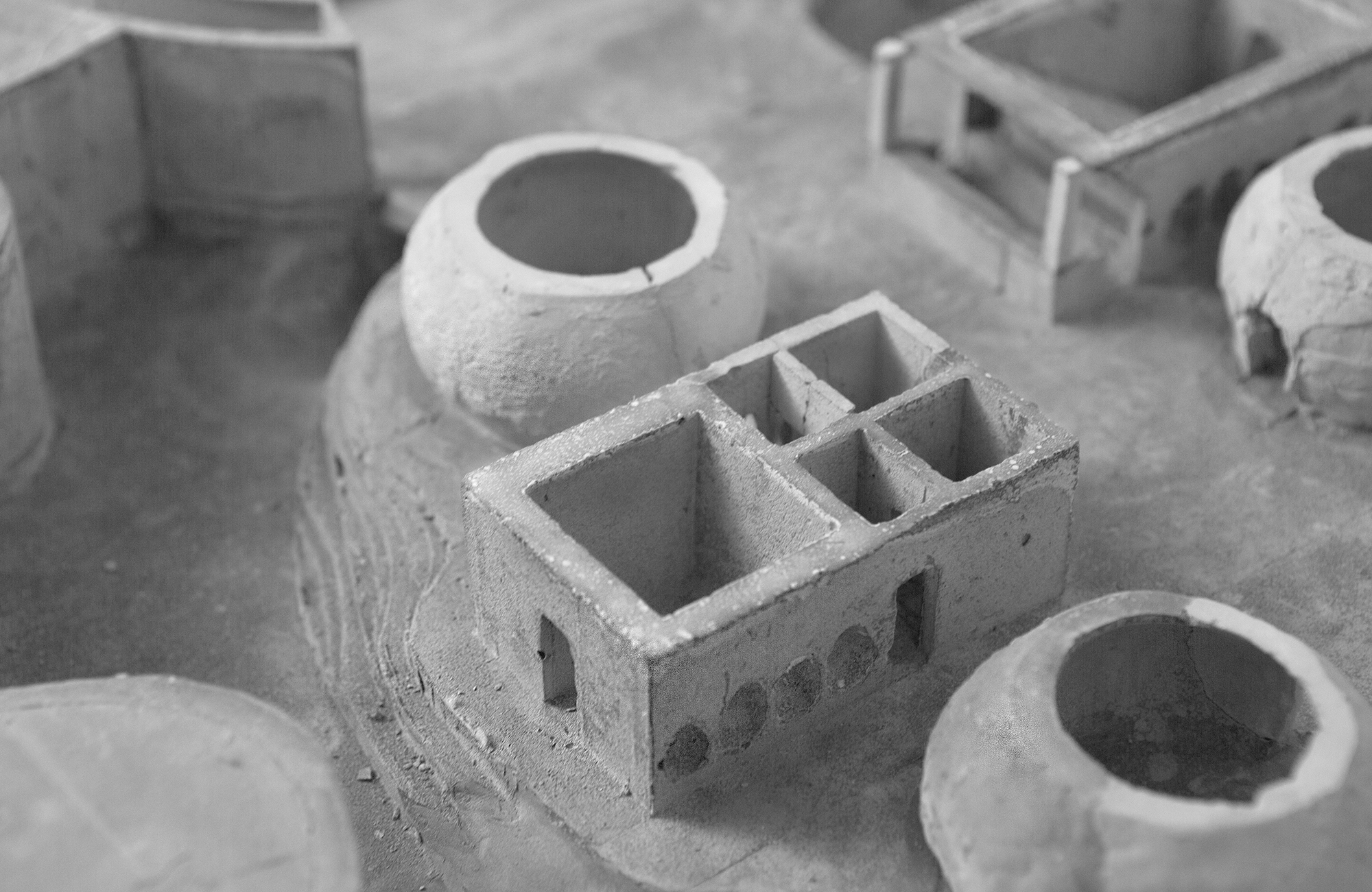
| For comfortable environment close private space is required. |


